
It is not only about the balance sheet. It reflects how the business operates and whether those levels are sustainable after the transaction.
Seller vs. buyer expectations: a matter of timing and optics
Sellers prefer to set the target NWC at a moment that presents their business in the best light. This could be a leaner period with tighter receivables or reduced inventory. Their aim is to maximise cash at close and avoid post‑closing clawbacks.
Buyers, by contrast, want a target that mirrors normal operations rather than a selectively favourable snapshot. They focus on the level of working capital they will actually receive on Day 1 and whether this supports business continuity.
The challenge is that both sides can present data that supports their position. This is where thorough diligence becomes essential.
Working capital targets: averages are just the beginning
Setting the right NWC target involves more than calculating a 12‑month average. A meaningful target requires insight into the business model, seasonality, and underlying trends. Considerations may include:
Seasonality
Seasonal businesses may show low NWC in off‑peak months, but these levels may not be sustainable after closing.
Timing cut‑offs
Cut‑off practices can move revenue and expenses between reporting periods, affecting the perceived normal working capital level.
Business shifts
Changes in payment terms, inventory models, customer mix, or pricing structures can significantly alter working capital needs.
What appears to be “normal” at first glance can be misleading without deeper analysis. Setting the wrong peg can lead to price leakage or even litigation.
Window dressing: when the balance sheet gets a makeover
As with adjusted EBITDA, sellers may take steps to enhance NWC in the run‑up to a sale. Common tactics include:
- Accelerating collections to reduce receivables
- Delaying supplier payments to increase payables
- Reducing inventory to release cash
Without proper diligence, buyers may inherit these distortions, along with the resulting financial pressure.
Working capital isn’t just accounting, it is operational
NWC reflects the operational rhythm of a business. Effective diligence should assess:
- Historical fluctuations: are the trends consistent or driven by one‑off events?
- Policy changes: have cut‑off procedures or reserve methodologies changed recently?
- Inventory and AR aging: are provisions appropriate, and do aging profiles indicate write‑down risks?
- Intercompany balances: do they reflect true operational needs or accounting noise?
Even small working capital issues can have a significant impact on deal value, especially in businesses with low margins or high turnover.
Bottom line: working capital is a value lever
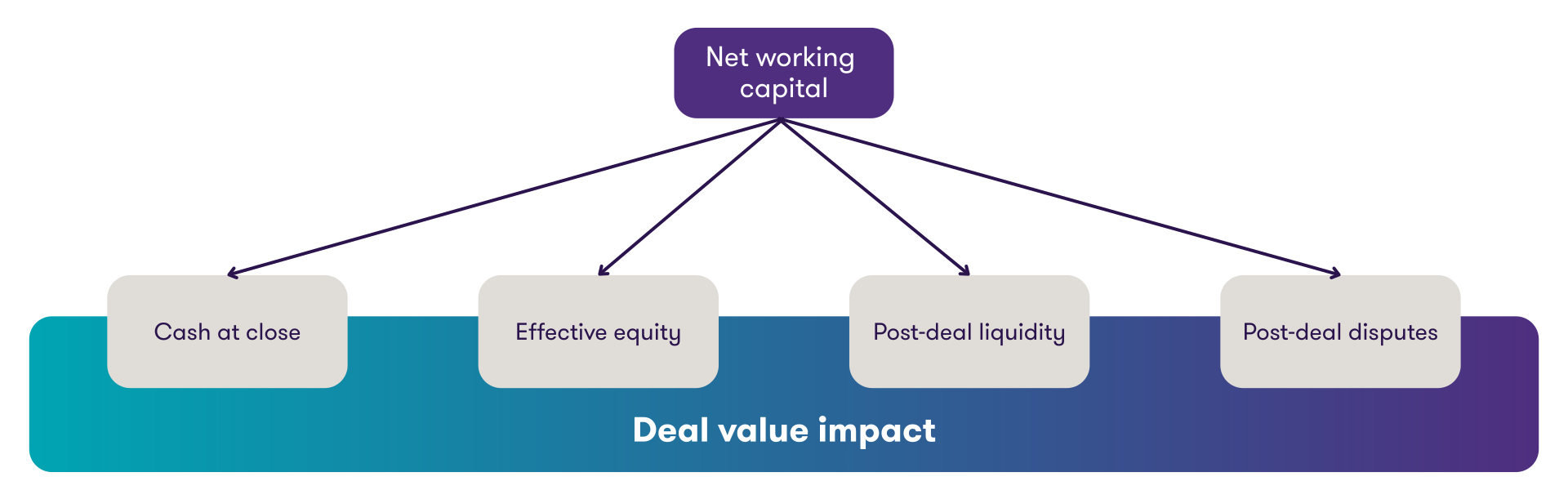
Net working capital directly affects:
- Cash at close
- Effective equity value
- Post‑deal liquidity
- The potential for disputes after signing
Whether you are preparing to sell or assessing a potential target, do not treat net working capital as a formality. It is a critical part of the value story.
Would you like to know how working capital trends could influence your deal? Get in touch with our Deal Advisory team for tailored insights.