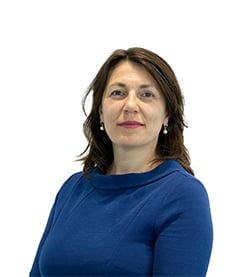
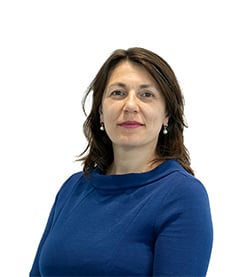
Ralu is the Director of Internal Audit Services at Grant Thornton Netherlands.
With an international experience that spams over 20 years in internal audit in various industriesand countries around Europe, Ralu has been involved over the years in setting up internal audit functions and building a culture of effective internal control, managing internal audit co-sourcers, delivering assurance over large IT assurance programs, fraud investigations, governance reviews and leading a service attestation reporting service (3rdparties' assurance) line.
Ralu is a certified internal auditor (CIA) and a certified information systems auditor (CISA). She previously worked for Deloitte ERS (Milan, Italy), Smurfit Kappa (Dublin, Ireland), Atos (France),Post Office UK, Grant Thornton UK. Currently Ralu is also an Audit and Risk Committee and Board Member for an UK non-for-profit organisation.
Professional education, qualifications and memberships
- Certified Internal Auditor (CIA – IIA certification)
- Certified Information Systems Auditor (CISA– ISACA certification)
- MSc is in Corporate Governance and Business Ethics (Birkbeck, University of London). Thesis on "Can culture be audited?"